
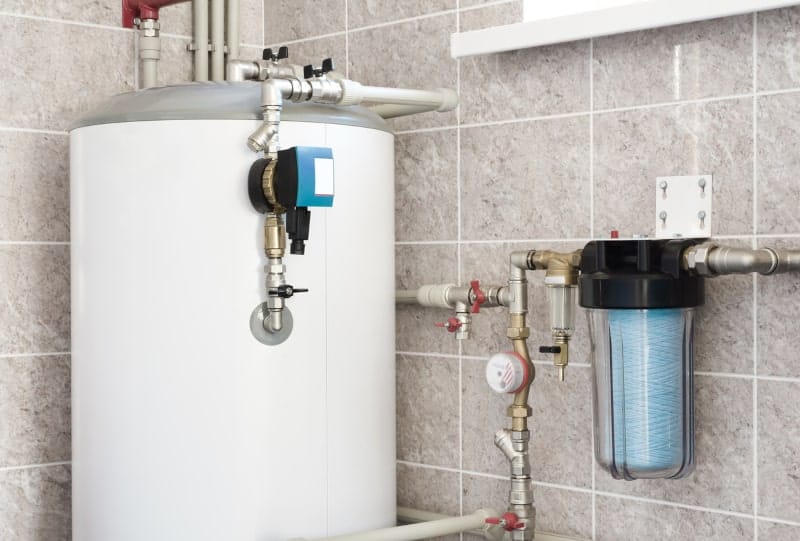
Efficient water heaters make everyday life easier. From laundry and dishes to showers and handwashing, you rely on your system more than you realize. When that system begins leaking—even a slow, steady drip—it can create far more than a mess on the floor. A leaking water heater can pose serious safety hazards, lead to costly repairs, and may even create health concerns if left unaddressed.
Below are four dangers every homeowner should be aware of, especially since water heater failures are a leading cause of sudden home water damage in Southeast Georgia.
1. Risk of a Water Heater Burst
A water heater burst is uncommon, but when it happens, it can cause significant damage in seconds. Many failures begin with a small, unnoticed leak.
Here’s why leaks become dangerous:
- Pressure can build inside the tank if the temperature and pressure (T&P) relief valve fails.
- Sediment buildup can contribute to overheating or interfere with proper pressure relief.
- Corrosion around fittings can weaken the tank and surrounding components over time.
Once pressure becomes too high, the tank can rupture violently. This can flood floors, damage structural materials, and put your household at risk—especially if the unit is located in an attic, interior utility room, or near electrical components.
A leaking water heater is one of the most common early signs of a failing tank. Addressing it quickly helps reduce the chance of a costly emergency.
2. Water Supply Contamination
Water flowing through your heater should remain clean, clear, and safe. However, leaks often point to rust, corrosion, or deterioration within the tank.
When corrosion reaches the interior of the water heater:
- Water may develop a reddish or brown tint.
- You may notice a metallic taste or foul odor.
- Sediment, flakes, or rust particles may appear in the water.
- Hot water may contribute to skin irritation or sensitivity for some individuals.
Discolored or contaminated water can be unsafe for drinking, bathing, and cooking. For individuals with respiratory issues, sensitive skin, or weakened immune systems, exposure may aggravate existing concerns.
If your water changes color, smell, or taste—or if leaks appear around the base of the tank—it’s time to have a professional inspect your system.
3. Indoor Flooding and Mold Growth
A typical water heater can hold anywhere from 30 to 100 gallons of water. Even a slow leak can release enough moisture to cause damage over time. A sudden rupture or major leak can flood a room within minutes.
Indoor flooding from a water heater often leads to:
- Mold and mildew growth, especially in enclosed or low-ventilation areas.
- Moisture trapped behind walls.
- Warped flooring, trim, and subfloor materials.
- Damage to stored items.
- Musty odors and reduced indoor air quality.
Homes in Southeast Georgia can be especially vulnerable because many units are installed in laundry rooms or hall closets with limited ventilation. Moisture in these areas can spread quickly and may require extensive cleanup.
If you notice pooling water, wet drywall, or persistent humidity around your water heater, shut off your water supply and call for service.
4. Long-Term Structural and Property Damage
Many water heater leaks begin as small drips or damp spots that are easy to overlook. Over weeks or months, that moisture can lead to significant structural issues.
Common hidden damage includes:
- Rotting subfloors.
- Damaged wall studs.
- Weakening of the water heater’s surrounding platform.
- Electrical hazards if water reaches outlets or wiring.
- Staining and deterioration of carpets and furniture.
- Warping in vinyl or hardwood flooring.
In extreme cases, a neglected leak can lead to thousands of dollars in repairs. Early detection matters, and a professional inspection ensures the source of the leak is correctly identified and addressed.
Professional Help for a Leaking Water Heater
Worried about a leaking water heater, water discoloration, or pressure issues? Deal’s Heating & Air helps families across our service areas stay safe and protected with fast, professional water heater repair and replacement.
Our certified technicians can diagnose:
- Tank leaks and corrosion.
- Faulty T&P valves.
- Sediment buildup and overheating.
- Gas or electric water heater failures.
- Early signs of tank failure.
If your water heater is leaking—or showing warning signs that failure could be possible—don’t wait.
Call Deal’s Heating & Air today or request an appointment online for fast, reliable water heater repair.